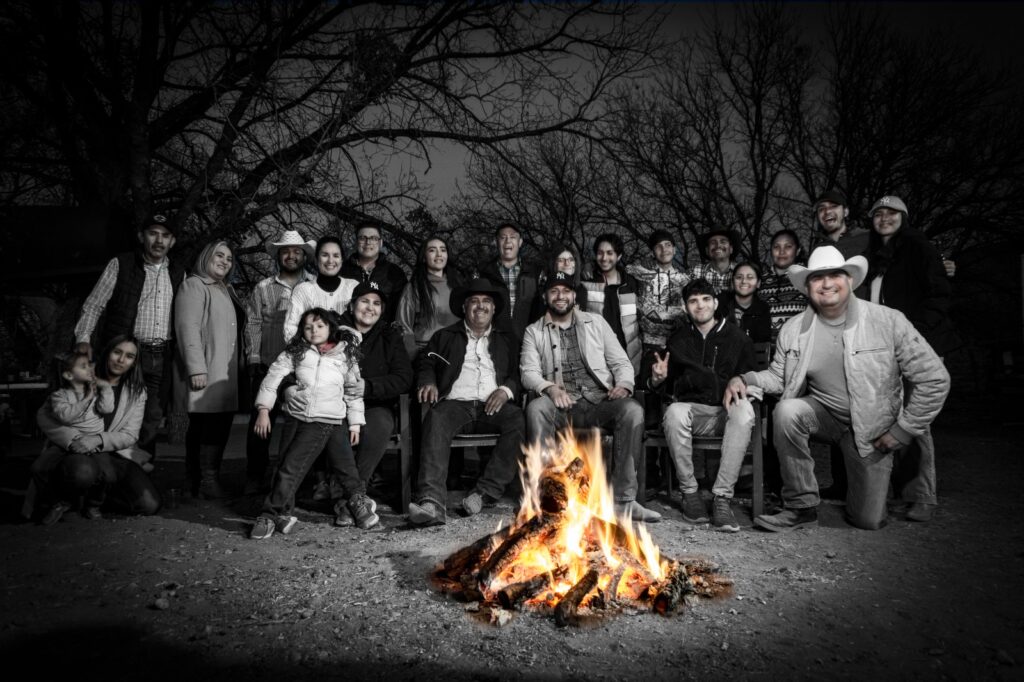
Rancho Orgánico Tres Hermanos, is a family-run farm located in Juan Mata Ortiz, Chihuahua, within the Janos Biosphere Reserve, where the land, family, and responsible farming practices shape everything we do.
R3H is a meat brand that originated in Juan Mata Ortiz, Chihuahua, in the area of influence of the Janos Federal Biosphere Reserve, a priority region for the conservation of native grasslands and biodiversity. It operates under a regenerative livestock model focused on restoring native grasslands, strengthening the soil, and documenting climate impact with verifiable measurements.
supports the plant’s own rhythm, protecting the balance between soil, water, and the life around them.
What does “regenerative livestock farming” mean at R3H?
At R3H, this means planned rotational grazing within certified organic management, with sufficient rest periods for the pasture and animal welfare as the focus of management, seeking to allow the grass to complete its cycle, increase vegetation cover, and improve soil health (infiltration, organic matter, and resilience) to generate measurable evidence of the process.
Where is Worm Tea produced?
At R3H, this means planned rotational grazing within certified organic management, with sufficient rest periods for the pasture and animal welfare as the focus of management, seeking to allow the grass to complete its cycle, increase vegetation cover, and improve soil health (infiltration, organic matter, and resilience) to generate measurable evidence of the process.
What does “soil carbon sequestration” mean in R3H?
In R3H, this means that when grasslands recover, they help store carbon in the soil because plants take CO₂ from the air as they grow, and some of that carbon ends up in the soil through roots and plant debris, remaining there as organic carbon (organic matter). That is why grassland recovery can have a measurable impact on climate.
How does R3H demonstrate its carbon climate impact?
R3H demonstrates this by documenting soil carbon using an MRV (Measurement, Reporting, and Verification) approach in collaboration with a technical partner (Boomitra) and complementing it with independent ecosystem monitoring (Pronatura).
What evidence is there of ecological recovery in R3H?
R3H has independent monitoring by Pronatura Noreste, which records grassland and biodiversity indicators. In the 2024–2025 period, it reported an improvement in grass cover (15% to 25%) and a reduction in bare soil (65% to 59%), in addition to recording 25 bird species, including priority species for conservation, as an environmental sign that the ecosystem is recovering.
Why are they talking about birds and wildlife in a meat brand?
Because wildlife in grasslands is a visible indicator of balance and recovery, when vegetation cover improves, grassland birds return and natural processes such as seed dispersal and land stability are reactivated. That is why at R3H we understand meat production as part of a management approach that cares for the entire ecosystem.
What is the “R3H Libre Pastoreo” line and why does it exist?
The R3H Libre Pastoreo line is the scheme through which R3H brings together responsible third-party producers, requires the adoption of regenerative management standards and batch traceability, and supports them in initiating measurement and registration (MRV), so that the model can be replicated and the climate impact can grow without losing control or consistency.
What certifications does R3H have?
R3H offers certified organic meat backed by documentation, recognized best practices, and analytical evidence of safety, integrated into a system of logs and batch traceability.
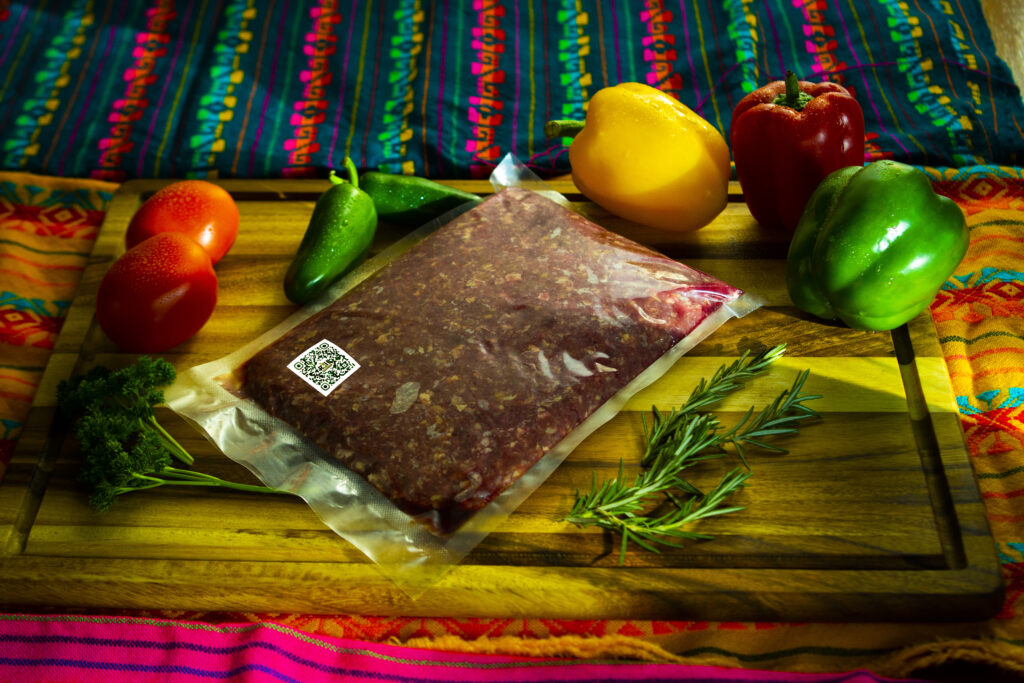
What does “batch traceability” mean, and what does the QR code show?
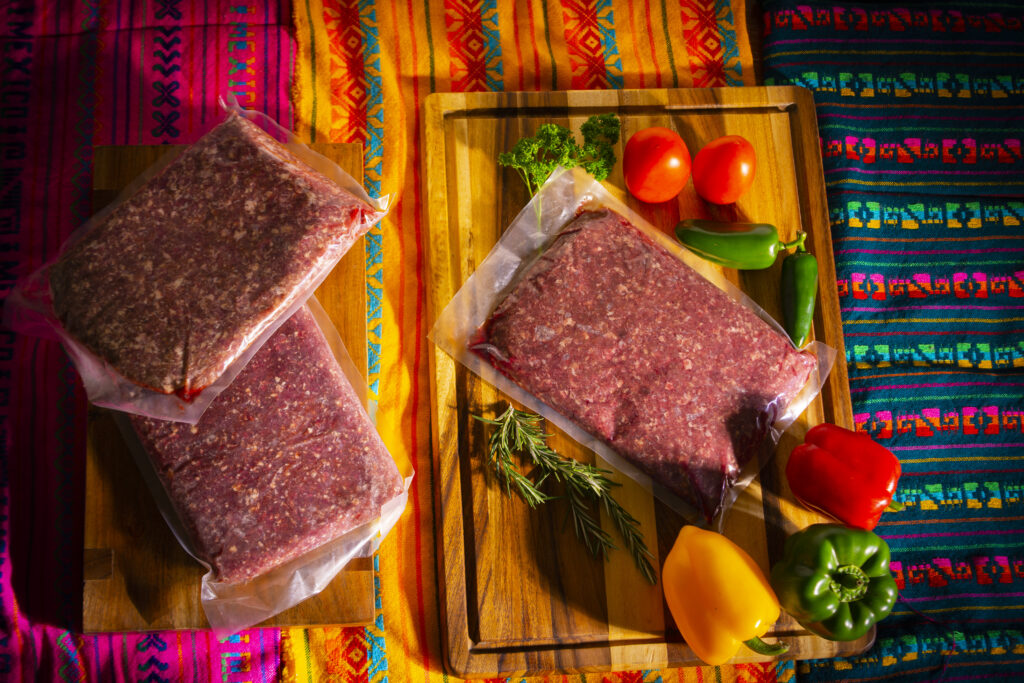
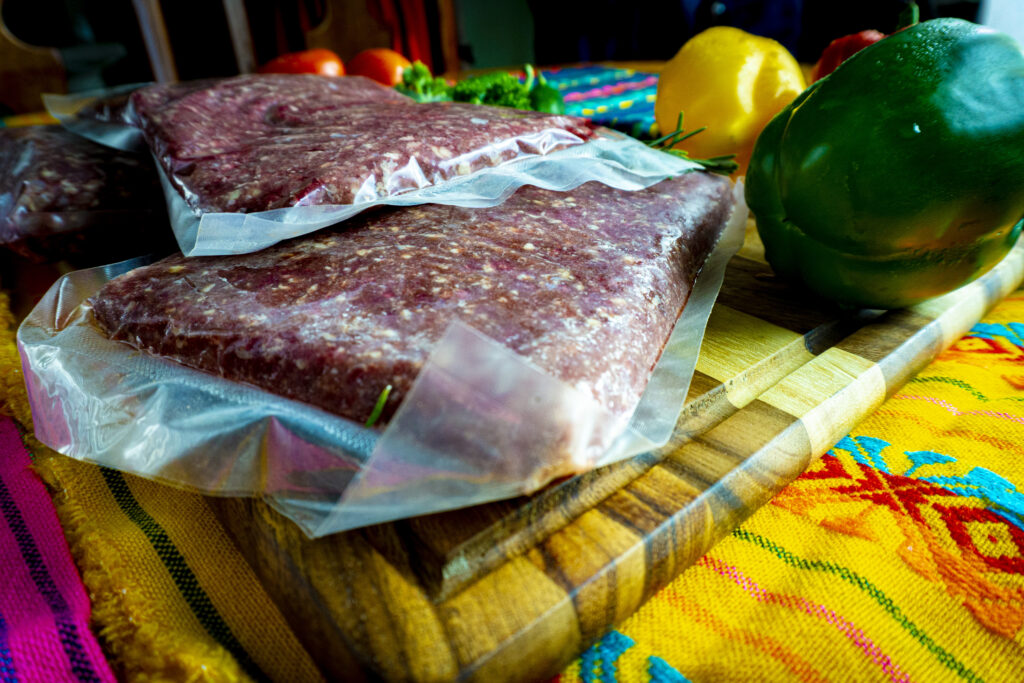
Batch traceability means that each package of meat is associated with an identifiable batch, and by scanning the QR code, the customer can see an actual representative sample of that batch and a brief file with the batch ID and key data on origin and process controls.
What is organic fertilizer (Worm Tea) and why is it part of R3H?
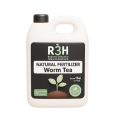
Worm Tea is a certified organic fertilizer made from vermicompost. At R3H, it is part of the regenerative model because it is applied to strengthen soil and grasslands and improve the quality of the forage that feeds livestock, closing a coherent cycle between soil, pasture, and animal nutrition with documented support.
What role does Juan Mata Ortiz play in the brand's identity?
R3H was founded in Juan Mata Ortiz, a region internationally renowned for its ceramics. As such, artistic collaboration with local artisans is part of its identity, bringing together culture, territory, and nature in an authentic narrative of regeneration.