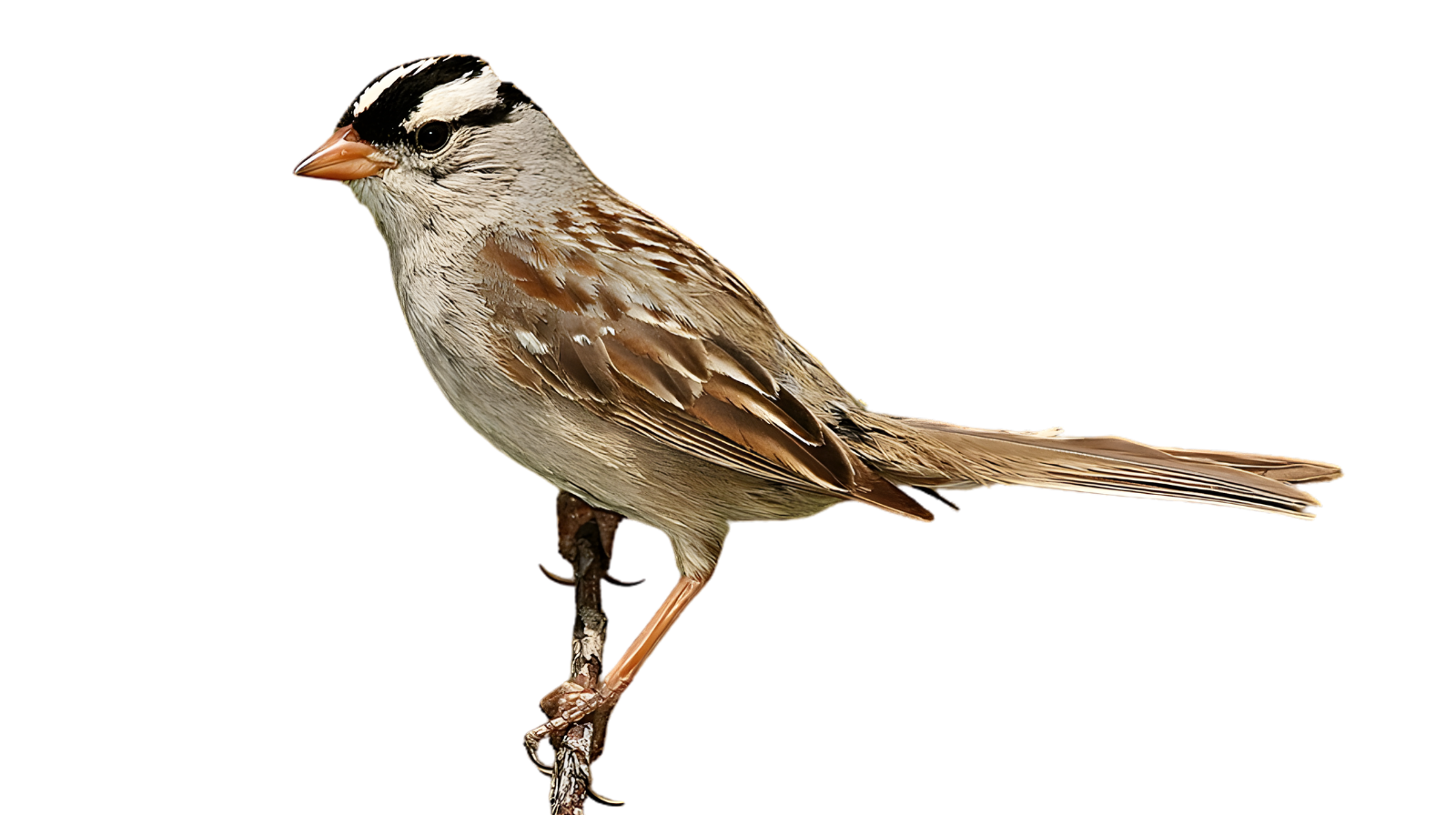
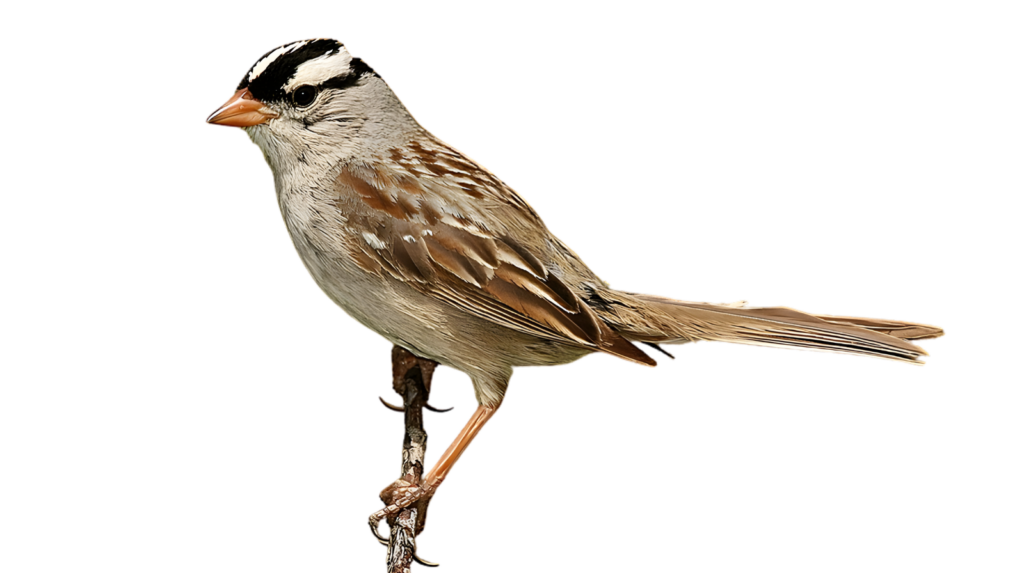
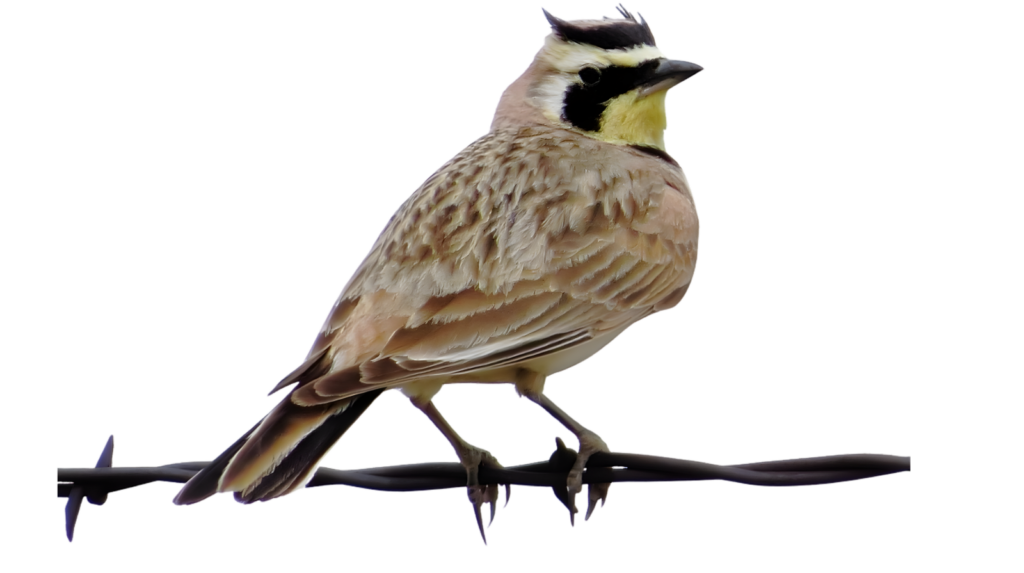
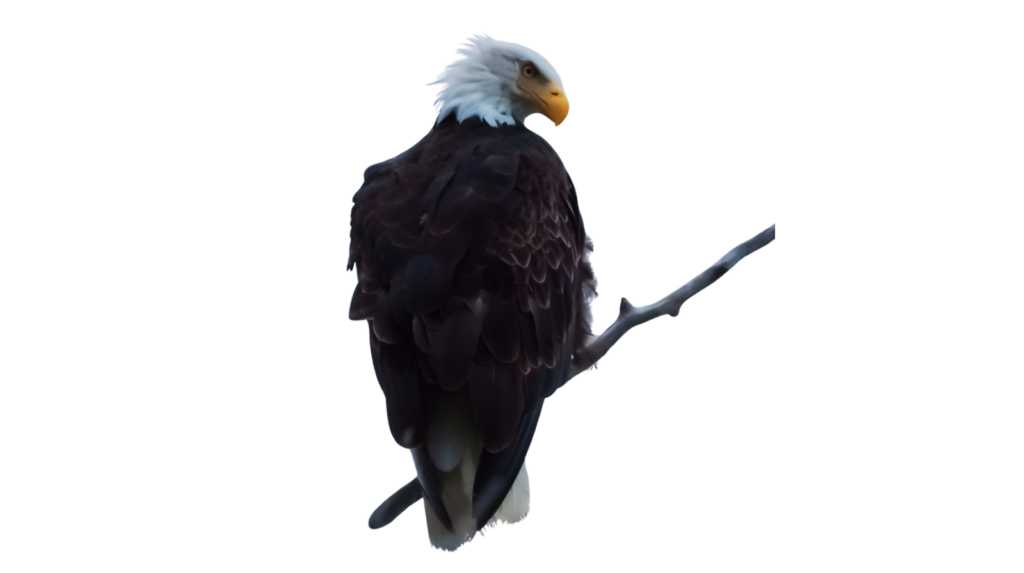
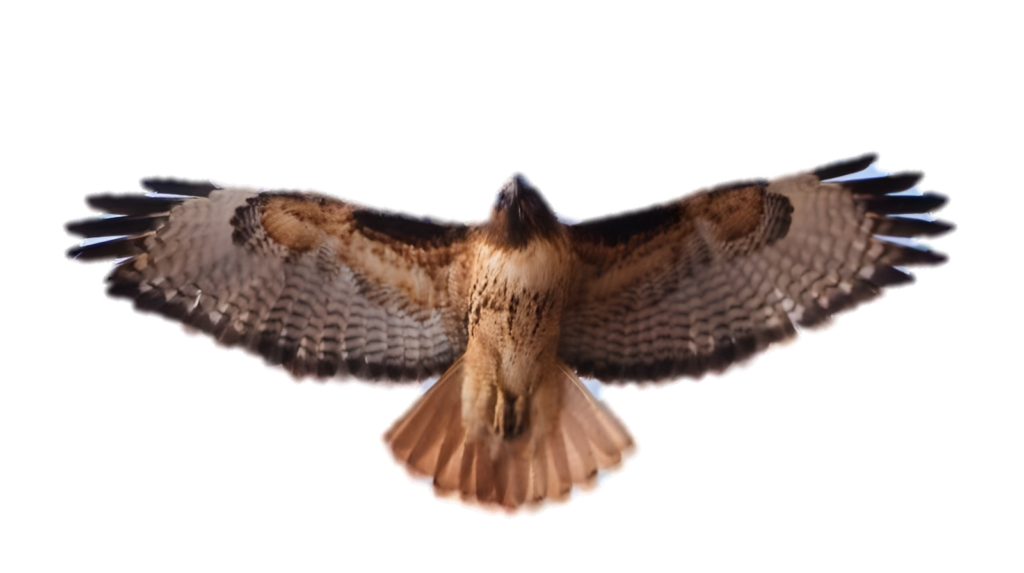
In R3H, the return of native flora, priority bird species, and key species reflects the grassland’s recovery and confirms, with concrete evidence, that the land is once again sustaining life
Environmental Monitoring 2024–2025
Scientific Proof of Regeneration
In partnership with Pronatura Noreste, our ranch underwent an environmental impact study validating the success of our regenerative practices.
“The return of these species is a reflection of the positive impact of our regenerative journey.”
Native grass coverage
Native grass coverage increased from 15% (2024) to 25% (2025) — a major step in restoring soil health, water retention, and biodiversity.
25 wintering bird
25 wintering bird species were documented, including three priority species for conservation:
Flora
Grassland bird allies
At R3H, we understand biodiversity as a direct sign that the grassland is recovering, which is why our regenerative management creates conditions for flora and fauna to coexist in balance, especially grassland birds, whose role is a true enabler of restoration because they disperse seeds and place them in suitable locations for germination, which increases grass regeneration, strengthens vegetation cover, and, with more grass, increases photosynthesis and thus carbon capture.
In Pronatura Noreste’s monitoring for R3H, 25 bird species were recorded and identified as conservation priorities: the Artemisia Grasshopper, the Horned Lark, and the White-tailed Sparrow. For R3H, this confirms that the grassland is recovering real conditions for life. This restoration is also reflected in comparable indicators, as bare soil decreased from 65% in 2024 to 59% in 2025 and grass cover increased from 15% to 25%, evidencing a recovery of vegetation cover that we recognize as part of a system where birds return to be our allies in the grassland.
Birds
Bird monitoring was carried out on the ranch during February 2024 and February 2025. During those two sampling seasons, 25 bird species were recorded.
Three of them, the Artemisia Grasshopper-sparrow, the Horned Lark, and the White-tailed Sparrow, are priority birds for conservation.
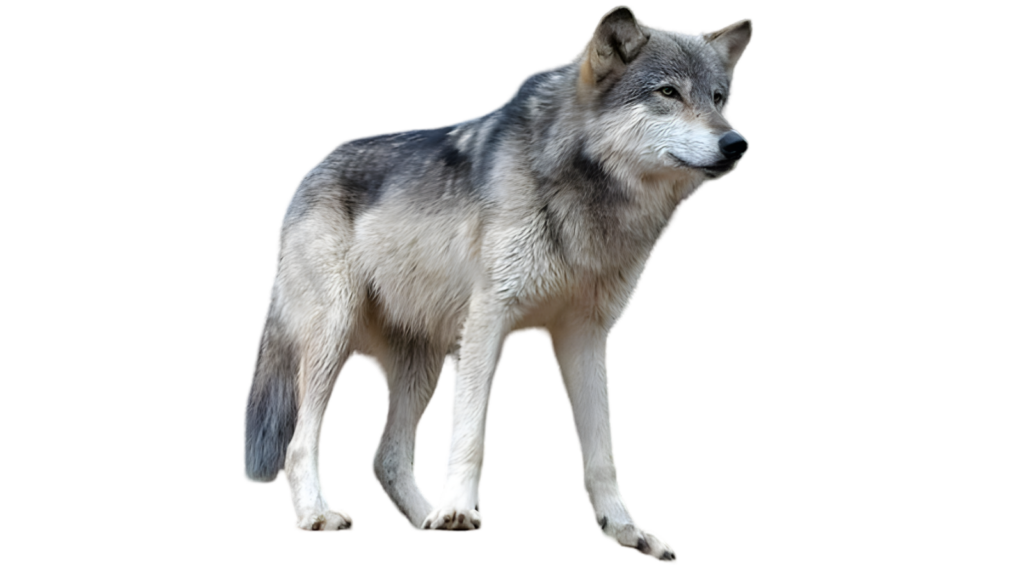
Coexistence with the Mexican wolf: ecosystem integrity
At R3H, coexistence with the Mexican wolf is possible because our model does not depend on overpopulating the territory, but rather on maintaining livestock loads compatible with the capacity of the pasture and long rest periods through rotational grazing. This prevents excessive concentrations of animals, reduces pressure on the ecosystem, and allows the landscape to remain functional for wildlife, including a key species such as the Mexican wolf.
This coexistence is sustained through concrete actions and support, which is why R3H collaborates with Fundación Tonkawa A.C. on a conservation and coexistence approach that strengthens our responsible management of the territory.